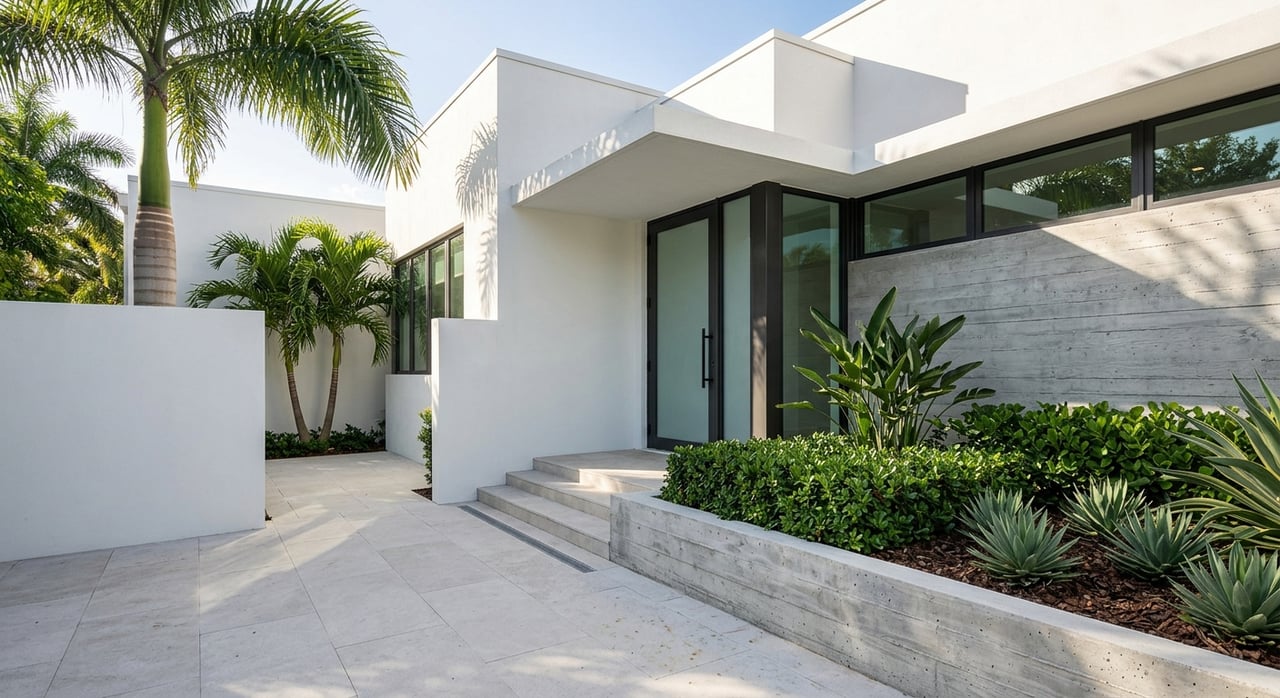
If you are planning to sell your South Miami home, preparation matters more than ever. In a market where homes are taking longer to sell and many listings are seeing price reductions, the right pre-listing strategy can help you attract serious buyers and avoid costly missteps. The good news is that you do not need to over-renovate or guess your way through the process. You need a smart, local plan. Let’s dive in.
Know the South Miami market
Before you repaint a wall or book photos, it helps to understand what buyers are seeing right now. According to Redfin’s latest South Miami housing market data, homes sold in 97.5 days on average in February 2026, the median days on market was 108, the sale-to-list ratio was 93.9%, and 26.3% of listings had price drops.
That tells you something important: this is not a market where most homes can simply list high and expect multiple offers. Buyers have options, and many are negotiating. In the broader county market, MIAMI REALTORS reported 6.2 months of supply for Miami-Dade single-family homes in February 2026, along with a median percent of original list price received of 94.4%.
For you as a seller, that means preparation is not just about appearance. It is also about timing, pricing, and reducing friction for buyers from day one.
Start early and plan your timing
A strong sale often starts weeks before your home ever hits the market. If you want to list in the spring, the work should begin well before peak demand arrives.
MIAMI REALTORS’ seasonal study found that home sales in Southeast Florida typically build from January and peak in May. That means the best-positioned spring listings are often the homes that are already repaired, cleaned, photographed, and staged before that rush begins.
In South Miami, weather also matters. The city’s official hurricane preparedness guidance notes that Atlantic hurricane season runs from June 1 through November 30. If your home needs exterior painting, roof work, drainage fixes, or landscaping updates, it is usually wiser to complete those items before summer weather becomes a bigger variable.
Your pre-listing timeline
A practical timeline often looks like this:
- 6 to 8 weeks before listing: walk through the home, identify repairs, gather maintenance records, and discuss pricing strategy
- 4 to 6 weeks before listing: complete repairs, touch-up paint, improve curb appeal, and deep clean
- 2 to 3 weeks before listing: stage key rooms, prep outdoor spaces, and schedule photography
- Launch week: go live with polished marketing, accurate pricing, and a plan for showings and feedback
Fix visible issues first
One of the biggest mistakes sellers make is spending heavily on projects that do not move the needle. In many cases, buyers will forgive dated finishes sooner than they will overlook obvious maintenance issues.
That lines up with NAR’s staging guidance, which notes that many sellers’ agents recommend decluttering and correcting property faults when a home is not being fully staged. It also aligns with the 2025 Zonda Cost vs. Value Report, which found that exterior replacement projects tend to deliver stronger resale value than large discretionary remodels.
In South Miami, your money is often best spent on the basics buyers notice right away.
What to prioritize before listing
Focus first on:
- Fresh exterior paint where needed
- Repaired trim, caulk, and minor wood damage
- Clean windows and pressure-washed surfaces
- Working lights, switches, and hardware
- Serviced HVAC systems
- Tidy landscaping and clean entry paths
- A roofline and drainage system that appear well maintained
These updates help buyers feel the home has been cared for. In a storm-prone area, visible maintenance on exterior systems can also make your property feel more dependable during inspections and negotiations.
Boost curb appeal for South Miami buyers
Your home’s exterior sets the tone before a buyer ever walks inside. In a place like South Miami, that first impression carries extra weight because buyers are often shopping for both lifestyle and convenience.
The city’s community overview highlights several features that shape demand, including a vibrant town center east of US-1, Metrorail access, major hospitals, and 17 parks and facilities. Many buyers are drawn to the ease of daily life here, so your home’s exterior should support that feeling from the start.
Simple improvements can go a long way:
- Clean and brighten the front entry
- Add fresh mulch or trim overgrown plants
- Make patios or outdoor seating areas feel usable
- Replace worn exterior light fixtures if needed
- Keep walkways clear and visually open
If your property has indoor-outdoor flow, make sure buyers can see it clearly. That can be a major selling point in South Florida.
Stage for lifestyle, not just size
Square footage matters, but it is not the whole story. Buyers are also responding to how a home feels and how it supports their daily routine.
NAR’s consumer survey on community preferences found that 79% of respondents rated walkability as very or somewhat important, and 78% said they would pay more for a walkable community. The same survey noted strong buyer interest in proximity to shops, cafes, parks, public transit, and shorter commutes.
That matters in South Miami. When you prepare your home, think about the lifestyle story your space tells.
How to stage with South Miami in mind
Emphasize features like:
- Bright, open living spaces
- Clean sightlines and uncluttered rooms
- Functional patios, terraces, or backyard areas
- Natural light and easy flow between interior and exterior spaces
- Flexible rooms that feel useful for work, guests, or everyday living
Your marketing should also reflect the surrounding convenience of South Miami, including transit access, parks, neighborhood services, and the town center. The goal is to help buyers picture not just the house, but the rhythm of life around it.
Price from close local comps
Pricing is one of the most important decisions you will make, and in South Miami, broad averages can only tell you so much. This is a relatively small city, and monthly numbers can shift quickly based on the types of homes that sold.
That is why local comparable sales matter so much. Redfin’s South Miami data shows that only 9 homes sold in February 2026. With a small sample size, citywide medians can move around fast and may not fully reflect your specific home, block, or price bracket.
The same report also shows why overpricing can backfire. With 26.3% of listings seeing price drops and homes selling at about 93.9% of list price, a high initial list price can leave your property sitting longer and becoming stale.
A smart pricing approach includes
- Reviewing recent South Miami sales with similar size, condition, and location
- Looking closely at active competition, not just closed sales
- Adjusting for lot, updates, layout, and outdoor features
- Planning in advance how to respond if activity is weak in the first two to three weeks
In this market, the strongest launch is usually realistic, not aspirational.
Highlight the location clearly
Selling a South Miami home is not only about the structure. It is also about how well the listing communicates the value of the location.
According to the City of South Miami, the area sits near the University of Miami, Coral Gables, and Pinecrest, and offers a compact footprint with a well-known town center, parks, and Metrorail service. These are practical lifestyle advantages that many buyers care about.
There is also a wider demand story to consider. Redfin’s migration data suggests that while many buyers are already within the metro, some interest is coming from outside markets such as New York, Washington, and San Francisco. At the same time, MIAMI REALTORS reported that 42.8% of Miami closed sales in February 2026 were cash transactions.
That means your listing may need to appeal to a mix of local move-up buyers, relocating households, and cash-ready purchasers. Clear presentation, strong marketing, and a polished showing experience all matter.
Choose the right listing strategy
In a market like this, your preparation plan should not stop at repairs and staging. You also need a listing strategy that is disciplined from the start.
A good plan includes a defensible list price, a clear explanation of your home’s competitive position, and a response plan if the home does not go under contract quickly. In South Miami, where days on market are longer and price reductions are common, that level of preparation can make a meaningful difference.
The right advisor should also know how to present your home’s local advantages clearly and professionally. That includes nearby amenities, transit access, parks, and the convenience factors that shape buyer interest in South Miami.
If you are preparing to sell and want a private, data-driven plan tailored to your property, Camila Paiva offers a discreet, consultative approach designed to help you launch with clarity and confidence.
FAQs
What should I fix before selling a home in South Miami?
- Focus on visible maintenance issues first, including paint touch-ups, trim repairs, clean windows, working lights, serviced HVAC, landscaping, and a well-maintained roof and drainage system.
When is the best time to list a home in South Miami?
- Spring is often a strong seasonal window in Southeast Florida, with sales typically building from January and peaking in May, so it helps to complete repairs and marketing prep before that demand arrives.
How should I price my South Miami home for sale?
- Price from recent nearby comparable sales and current competition, because South Miami has a smaller sample of monthly sales and overpricing can lead to longer market time and price reductions.
Does staging matter when selling a South Miami house?
- Yes. Staging helps buyers understand the lifestyle your home offers, especially when it highlights natural light, indoor-outdoor flow, and functional living spaces.
What local features help market a South Miami property?
- Buyers often respond to practical location benefits such as proximity to the town center, parks, Metrorail access, nearby services, and the convenience of South Miami’s central setting.
