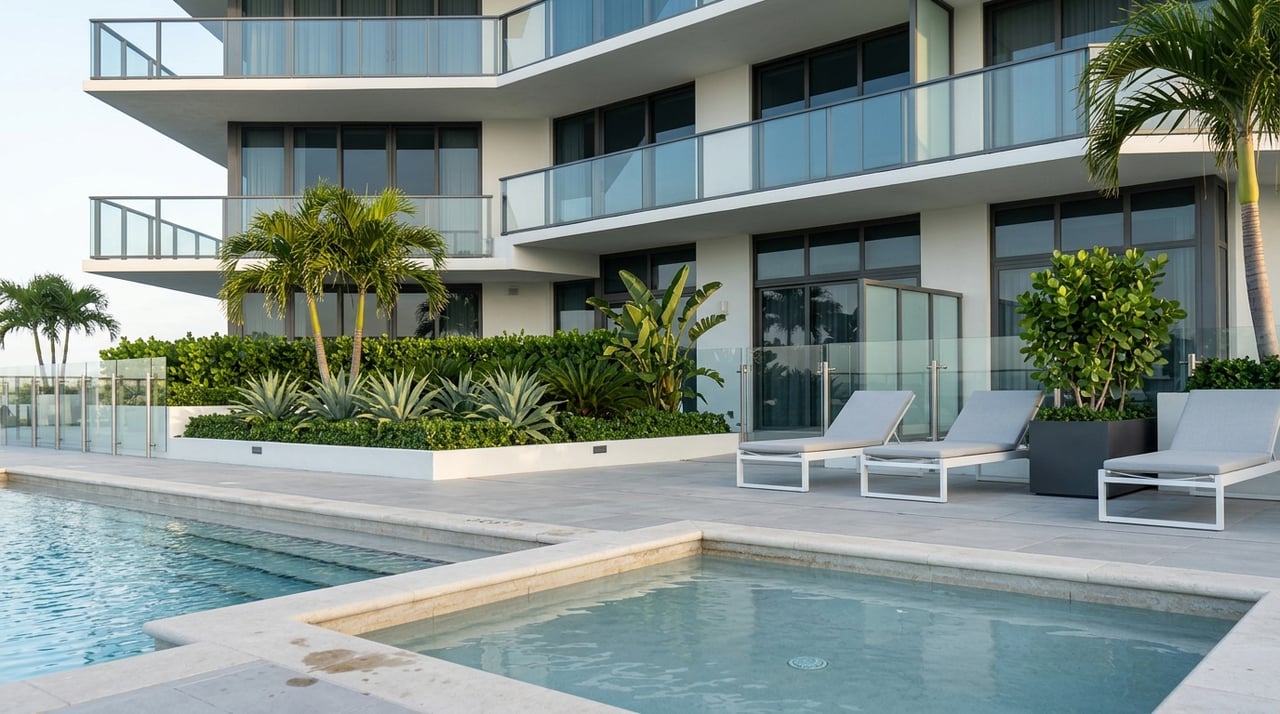
Thinking about buying a pre-construction condo in Edgewater? It can be a smart way to enter one of Miami’s most watched waterfront markets, but it also comes with moving parts that many investors underestimate. If you want to invest with more clarity, this guide will help you understand how Edgewater projects work, what Florida law says about reservations and deposits, and what to evaluate before you commit. Let’s dive in.
Why Edgewater Draws Investor Attention
Edgewater sits within the City of Miami, which means new development is shaped by more than just demand and design. The city’s planning framework, including Miami 21, sets standards for development and redevelopment, and the city’s stormwater planning specifically includes an Edgewater flood-improvement project. For you as an investor, that means entitlement, permitting, and resilience are part of the investment story.
This matters because pre-construction is not only about buying early. You are also buying into a timeline that depends on approvals, infrastructure, and how a project fits within city requirements. In a neighborhood like Edgewater, that makes due diligence especially important.
Miami’s New-Construction Market Matters
Edgewater does not operate in isolation. It sits within a broader Miami market where new construction has a strong international buyer base and a pipeline that is not fully visible in standard resale data. According to MIAMI REALTORS, global buyers accounted for 52% of Miami new-construction, pre-construction, and condo-conversion sales over a 22-month period, and about 86% of those global buyers were Latin American.
That international demand helps explain why pre-construction remains attractive in Miami-Dade. It also aligns with what many cross-border investors want: dollar-denominated real estate in a globally recognized market. For buyers from Colombia, Mexico, Brazil, and other Latin American countries, this has been a major part of Miami’s appeal.
At the same time, you should not confuse strong demand with simple underwriting. MIAMI REALTORS also notes that many pre-construction and condo-conversion sales are not reported in MLS. So if you rely only on resale snapshots, you may miss the real competitive pipeline.
Why Project-Level Research Is Essential
In Edgewater, project-level research is not optional. A resale market report can tell you about current condo pricing, but it may not show you what will be delivered in the next few years. That distinction is critical if your plan is to resell at completion or hold in a market with changing supply.
As of March 2026, Miami’s condo market was still in buyer territory with 13 months of supply, and the median condo price was $445,000. Cash sales represented 49.8% of existing condo sales. For you, this means a future Edgewater unit will eventually compete not only with other new buildings, but also with delivered resale inventory.
How Reservations Work in Florida
If you are considering a pre-construction condo in Edgewater, one of the first concepts to understand is the reservation stage. Under Florida law, a developer can accept reservation deposits before the formal condominium filing is complete, but only if certain conditions are met. The developer must have an ownership, leasehold, or contractual interest in the land and must file a reservation program with an executed escrow agreement and reservation form.
Your reservation money must go to the escrow agent. Just as important, you have the right to an immediate, unqualified refund if you make a written request. That is a key investor protection and one reason it is important to know whether you are signing a reservation agreement or a later-stage purchase contract.
A Reservation Is Not the Same as a Closed Deal
Many investors treat a reservation as if the unit is already secured in a final sense. In practice, that is not how Florida’s framework works. A buyer cannot be closed before the condominium filing is properly made and the required documents are delivered.
There is another point many buyers miss. The state division’s review is for statutory compliance, not project approval. So you should view filing status and document delivery as checkpoints, not as proof that the project has been endorsed beyond the legal filing process.
What to Know About Cancellation Rights
Florida gives condo buyers meaningful cancellation rights, and you should understand them before you sign anything. The standard protection gives you 15 days after execution of the contract and receipt of the required documents to cancel. If there is an amendment that materially and adversely changes the offering, you get another 15-day cancellation window after receiving that amendment.
Those rights are important because pre-construction offerings can change over time. Floor plans, project details, or shared facilities may evolve as the development moves forward. Florida law also makes clear that any waiver of this voidability right is ineffective.
Why Amendments Deserve Attention
An amendment is not just a minor paperwork update. If a developer revises an approved filing, the amended documents must be delivered to purchasers before closing and no later than 10 days after the amendment is adopted. For an investor, this means you should monitor updates throughout the life of the contract, not just at the beginning.
If your underwriting depends on a certain layout, timeline, or cost structure, an amendment can affect your return assumptions. That is why experienced investors keep reviewing the file as the project progresses.
How Deposits Are Typically Handled
Deposits are another area where investors should pay close attention. Florida requires that if construction is not substantially complete, the developer must place up to 10% of the sale price in escrow. Any amount above 10% goes into a special escrow account.
In general, funds above 10% cannot be used before closing unless the contract allows withdrawals after construction has begun for actual construction and development costs. If the contract does allow that, the first page must include a conspicuous legend stating so. That is not a small detail. It directly affects how protected your deposit may be during the construction period.
What to Evaluate Before You Reserve
Before you reserve a unit in Edgewater, focus on the project file as much as the view or floor plan. Florida requires developers of residential condominiums with more than seven units to file an initial application, and projects with more than 20 units must also file a prospectus. These filings can help you assess complexity and risk.
A practical checklist includes:
- Whether the project is phased
- Whether it is mixed-use
- Whether it is a conversion or land condominium
- Whether it shares facilities with other projects
- Whether the property is encumbered by a mortgage
- Whether there is a developer guarantee for common expenses
- What the anticipated completion date is
- Whether there is a sales brochure tied to the offering
These items are not just technical disclosures. They can shape your costs, your timeline, and your exit options.
Watch for Complexity Triggers
Florida’s filing framework also asks whether other developers have already offered the units, whether the building will be three stories or higher, and whether disclosures are attached in proper form. For you, these points can serve as useful signals of project complexity.
The more moving parts a project has, the more carefully you should underwrite it. Shared facilities, mixed-use elements, and multiple phases can all affect fees, operations, and the buyer experience at delivery.
Edgewater Development Is Also a City Process
Because Edgewater is in the City of Miami, local planning and permit processes matter. Miami 21 governs development standards in the city, while the Planning Department handles warrants, waivers, exceptions, and rezones. The city also notes that new rezone applications are heard twice a year and recommends starting at least six months before the desired hearing date.
This is one reason project timelines can shift. A glossy sales launch does not remove the reality of entitlement and permit timing. The city also uses ePlan for online permit filing and tracking, which underscores that project progress is tied to an active municipal review process.
Build Your Exit Plan Before Signing
One of the most important investor habits is deciding on your exit before you commit. In Edgewater pre-construction, your strategy should be clear from day one. That usually means choosing whether you plan to hold for rental income, resell at delivery, or pursue a transfer strategy if the contract allows it.
Your decision should be based on several variables:
- Construction and delivery timing
- Future resale competition
- Developer contract terms
- Deposit structure
- Your flexibility if the market shifts
If your goal is resale at completion, remember the broader market backdrop. In March 2026, Miami condos had 13 months of supply. That means your future buyer may have choices, which can pressure pricing unless your unit stands out by location, views, amenities, branding, or scarcity.
Cash and Cross-Border Demand Still Matter
Miami remains a market with strong cash activity and significant Latin American participation. That can support long-term investor interest, especially for buyers who value U.S. dollar assets and Miami’s global profile. But demand alone does not remove execution risk.
You still need to look carefully at contract structure, filing status, completion timing, and likely competition at delivery. The best pre-construction investments are usually the ones where the underwriting stays disciplined from the first reservation conversation through closing.
How a Boutique Advisor Can Help
If you are buying in Edgewater as a local or international investor, the process benefits from a structured, research-driven approach. You need more than a sales presentation. You need help comparing project terms, understanding timelines, pressure-testing your exit strategy, and planning for what happens after closing.
That is especially true for cross-border buyers who want a clear process, bilingual guidance, and ongoing support. A boutique advisor can help you evaluate opportunities in context, not just in isolation.
If you are considering an Edgewater pre-construction condo and want a discreet, data-driven perspective, reach out to Camila Paiva for a private consultation.
FAQs
What makes Edgewater pre-construction condos different from resale condos?
- Edgewater pre-construction condos involve future delivery, developer filings, escrow rules, and project amendments, while resale condos are existing properties that can usually be evaluated through current condition, recent comps, and active market inventory.
What should investors know about Florida condo reservation deposits?
- Florida allows reservation deposits before formal condo filing if legal requirements are met, the money goes to escrow, and the buyer has the right to an immediate, unqualified refund by written request.
What cancellation rights do buyers have for Florida pre-construction condos?
- Florida condo buyers generally have 15 days after signing and receiving required documents to cancel, plus another 15 days after receiving a material and adverse amendment to the offering.
What project documents should investors review before reserving an Edgewater condo?
- Investors should review the project’s filing materials and prospectus, including whether the project is phased, mixed-use, sharing facilities, mortgage-encumbered, or backed by any developer guarantee for common expenses.
Why does Miami condo supply matter for Edgewater pre-construction investors?
- Miami condo supply matters because when an Edgewater unit is delivered, it may compete with both new and resale inventory, which can affect resale pricing and exit timing.
Why do city planning and permits matter for Edgewater condo projects?
- City planning and permit processes matter because Miami 21, rezoning timelines, entitlements, and permit review can all influence how and when an Edgewater pre-construction project moves toward completion.
