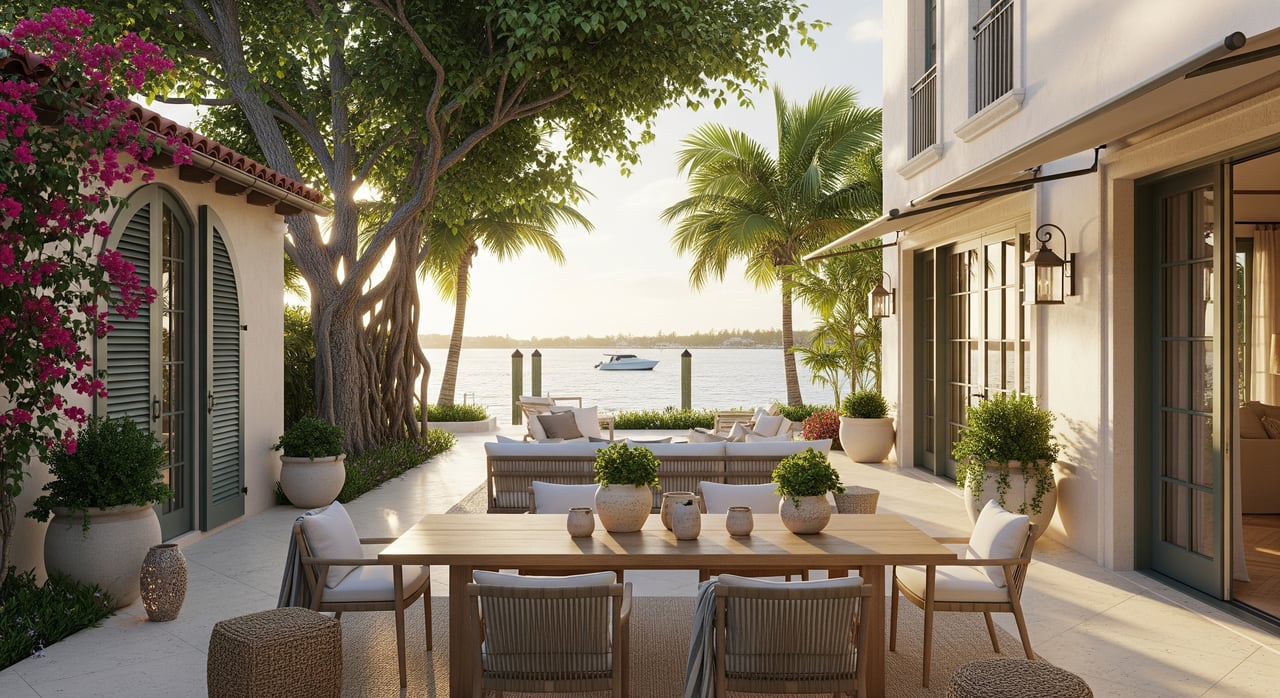
Picture your morning starting with a quiet walk under a canopy of tropical trees, followed by coffee in a breezy village square and sunset views over Biscayne Bay. If that rhythm sounds like your speed, Coconut Grove might be your best Miami landing spot. Whether you are relocating for work or seeking a lifestyle reset, you will find a neighborhood that balances walkability, waterfront access, and a relaxed, residential pace. In this guide, you will learn how daily life flows, where people gather, what housing looks like, and how to navigate commutes and practical logistics. Let’s dive in.
What living in Coconut Grove feels like
Coconut Grove is one of Miami’s oldest neighborhoods, known for its village feel and lush greenery. You will notice a blend of pocket parks, marinas, and residential streets with mature trees. The atmosphere is calm and residential during weekdays with a friendly uptick in energy around cafés, boutiques, and restaurants.
Daily rhythm you can expect
- Early mornings bring joggers and paddleboarders to the bayfront.
- Midday centers on cafés and shops around Grand Avenue and the CocoWalk area.
- Evenings are lively but not overwhelming, with outdoor dining and neighborhood strolls.
Seasonality and events
High season in winter draws more visitors, especially on weekends and during major events like local arts festivals and regattas. Summers run quieter with more residents enjoying waterfront activities and indoor amenities. Keep hurricane season timing in mind for annual planning and preparedness.
Parks and waterfront access
Outdoor life shapes the Grove. You will have easy access to green spaces for picnics, kids’ play, and sunrise or sunset walks.
Signature parks and gardens
- Peacock Park: Central and waterfront, with sports courts, playgrounds, and small events.
- The Barnacle Historic State Park: A serene historic home site with mature tropical landscape.
- David T. Kennedy Park: Expansive green space with open lawns and Biscayne Bay views.
- The Kampong: A botanical garden with tropical plant collections for nature-focused outings.
- Vizcaya Museum & Gardens: A nearby cultural landmark with formal gardens and a historic villa.
Boating and sailing culture
Coconut Grove’s marina network is a hub for sailing and boating. You will find organized regattas, yacht and sailing clubs, and community programs that get people on the water. Expect options for sailing, motor boating, kayaking, and paddleboarding. Memberships for some clubs may have requirements or wait lists, so plan ahead if boating is central to your lifestyle.
Trails, promenades, and walkability
Portions of the waterfront work well for running and cycling, though bike lane continuity varies by street. The village center and many residential blocks are pedestrian friendly, which makes short errands and café runs easy. For longer trips and grocery hauls, most residents still use a car.
Housing options and neighborhood patterns
The Grove offers a mix of historic charm and modern design, from old Mediterranean bungalows to new builds and luxury towers. Prices tend to be higher than the county median, especially near the water and for detached single-family homes.
Primary home types
- Historic single-family homes and bungalows: Often on interior streets with mature landscaping.
- Mid-century and modern single-family: Renovations and newer infill homes throughout the area.
- Low- to mid-rise condos and townhomes: Concentrated near the village center and along the waterfront.
- High-rise waterfront condos: Select towers offering amenities and bay views.
- Waterfront and island estates: Premium properties with bridges, privacy, and docks.
Where each style clusters
- Village core: Grand Avenue and CocoWalk corridors offer higher walkability, dining, and a concentration of condos and some townhomes.
- Interior streets: Quieter, tree-lined blocks with single-family homes and access to local parks.
- Waterfront and islands: Bridge-access pockets with docks and marina proximity, geared to privacy and boating.
- Transitional corridors: Mixed-use blocks where small businesses and apartments coexist.
Ownership, HOA, and preservation notes
You may encounter HOAs for condominiums and island pockets, with rules on parking, exterior changes, and dock use. Some homes fall within historic areas, where renovations or demolitions may require review by City of Miami historic preservation authorities. If you plan to remodel, budget time for permits and qualified contractors who understand local codes and hurricane standards.
Short-term rental reminders
Short-term rental rules exist at the city and county levels and may require registration or licensing. Allowable locations and enforcement have evolved in recent years. If rental income is part of your strategy, verify current City of Miami requirements and building or HOA policies before you buy.
Getting around and commuting
You will rely on a car for most regional trips, but you can also mix in transit and bikes for short local rides. Peak congestion is common in rush hours, so plan your schedule with flexibility.
Driving and major routes
U.S. 1 connects the Grove with Brickell, Downtown, and Coral Gables. The Rickenbacker Causeway links to Key Biscayne and can add traffic during peak times. Assume longer windows during the morning and evening commute.
Transit and alternatives
Transit is primarily served by Metrobus in and near the Grove. Metrorail coverage is limited inside the neighborhood, so commuters often drive, use park-and-ride, or bus-to-rail connections. Private water taxi or shuttle routes may operate in parts of Biscayne Bay on a route-by-route basis. If you are flexible, combining modes can reduce stress.
Parking and moving logistics
Village garages and lots serve the commercial core, but demand rises on evenings and event days. Residential streets may have permits or time limits in certain pockets. For moving days, narrow streets and limited curb space can complicate large trucks. Coordinate in advance with building managers or city parking to secure loading zones.
Quick commute strategies
- Shift your schedule 30 to 60 minutes off peak when possible.
- Use mixed modes: drive to a rail station or water shuttle stop if it shortens total time.
- Keep a bike or scooter for short trips to cafés, classes, or parks.
- Plan extra time for U.S. 1 and the Rickenbacker during rush windows.
Daily conveniences and community life
You will find a compact set of essentials in the village core, plus additional services in adjacent neighborhoods. The overall vibe is refined, local, and low-key.
Dining and retail corridors
CocoWalk, Grand Avenue, Main Highway, and nearby blocks host cafés, restaurants, boutiques, and neighborhood markets. Dining ranges from casual bakeries to upscale restaurants. Evenings are pleasant and social without a heavy nightclub scene.
Markets and festivals
Weekend farmers’ markets and rotating produce events bring residents out for fresh food and local vendors. The Coconut Grove Arts Festival is a major annual highlight that draws regional visitors, and seasonal regattas create waterfront excitement.
Health care and everyday services
You will have grocery stores, pharmacies, fitness studios, and childcare options in or near the Grove. For specialist care and major hospitals, expect a short drive to larger medical centers in the city.
Culture and nightlife
Vizcaya and The Kampong offer year-round cultural and nature programming. Nightlife is quieter than Miami Beach, centered on restaurants, wine bars, and occasional live music rather than large clubs.
Practical newcomer essentials
Moving to a coastal neighborhood means planning for weather, insurance, and permits. A little structure goes a long way.
Hurricane season basics
Hurricane season runs June 1 to November 30. Many homes have shutters or impact windows. Create an annual plan that covers supplies, evacuation routes for coastal pockets, and insurance coverage for wind or hurricane risk. If you travel often, confirm caretaker arrangements or property management to secure and inspect your home before and after storms.
Insurance and flood risk
Large parts of Miami-Dade carry elevated flood risk. Lenders may require flood insurance, which is typically separate from homeowners policies. When evaluating a property, request flood-risk maps, prior claims history, and any elevation certificates. Compare National Flood Insurance Program policies with private market options to align coverage and price.
Utilities, trash, and permits
Set up City of Miami water and sewer accounts and confirm your electric utility. Review solid waste and recycling schedules early, and check bulk pickup rules before move-in day. If you plan renovations, ask your agent to flag potential historic review or coastal permitting. Hire licensed, Miami-Dade qualified contractors familiar with hurricane-resistant standards.
Ready-to-use checklists
Newcomer move-in checklist
- Confirm parking and elevator reservations for moving day.
- Set up water, power, internet, and security monitoring.
- Review HOA rules for move hours, dock use, or pet policies.
- Map trash, recycling, and bulk pickup schedules.
- Create a contacts list: property manager, building engineer, trusted handyman.
Hurricane preparedness checklist
- Verify shutters or impact glass and test closure.
- Stock 3 to 5 days of water, nonperishables, and medications.
- Secure outdoor furniture and inspect roof and gutters.
- Document insurance policies and store digital copies.
- Plan travel contingencies and caretaker access if you are away.
How we help you settle in
Coconut Grove rewards a thoughtful approach, whether you want a walkable condo near CocoWalk, a private single-family home under the canopy, or a waterfront property with dock access. With a boutique, research-driven process, we guide you through housing options, HOA and permitting considerations, flood and insurance questions, and day-to-day logistics like commuting and parking. If you need bilingual support in English, Spanish, or Portuguese, you will feel understood from the first call.
If you are exploring a relocation or sizing up options between the Grove, Coral Gables, Brickell, and Key Biscayne, let’s talk. For a discreet, consultative plan tailored to your move, connect with Camila Paiva.
FAQs
Is Coconut Grove walkable for daily errands?
- Yes, especially around the Grand Avenue and CocoWalk area. Many residential streets are pedestrian friendly, though most residents still use a car for larger grocery runs and regional trips.
How long is the commute to Brickell or Downtown from Coconut Grove?
- It is feasible by car, but timing varies with rush-hour traffic. Many commuters shift schedules, combine driving with park-and-ride, or use bus-to-rail connections to reduce uncertainty.
What types of homes are most common in Coconut Grove?
- You will find historic and modern single-family homes, plus a strong mix of condos and townhomes near the village core. Waterfront pockets include islands with private docks and higher-end estates.
Are there parks and places for kids to play in the Grove?
- Yes. Peacock Park, The Barnacle, and David T. Kennedy Park offer playgrounds, open fields, and shaded paths. Availability varies by pocket, so tour nearby parks during your home search.
What should newcomers know about local rules and permits?
- Review HOA guidelines, City of Miami short-term rental requirements, and any historic preservation or coastal permits if you plan renovations. Your agent can help you verify the latest rules.
Do I need flood insurance in Coconut Grove?
- Many buyers choose flood insurance due to regional risk, and lenders may require it. Request flood maps and elevation information for any property you are considering.
