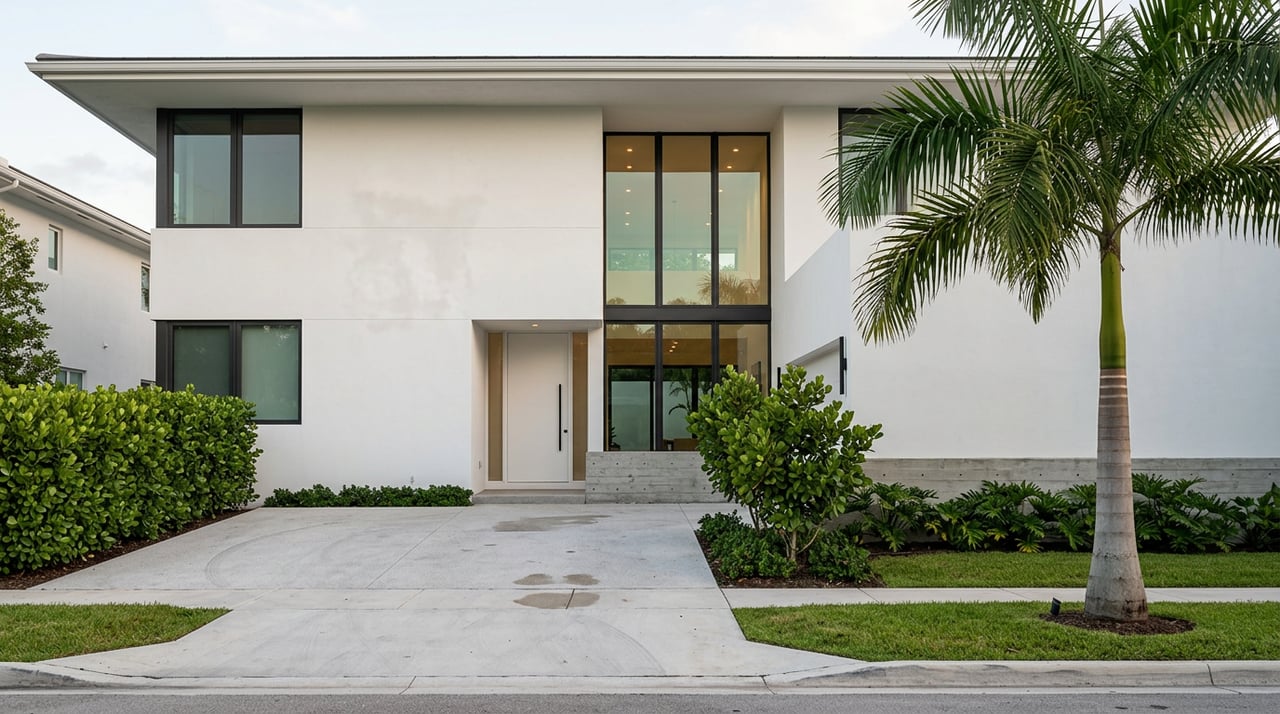
Are you weighing water views and amenities against a yard and extra privacy? In Aventura, that choice is more than style. Most inventory is in high‑rise condos, and recent rule changes, insurance trends, and association budgets can shift your true monthly costs. In this guide, you will see how condos and single‑family homes compare on costs, building rules, insurance and flood exposure, lifestyle, financing, and resale. You will also get a clear checklist to decide with confidence. Let’s dive in.
Quick Aventura snapshot
Aventura’s for‑sale market skews toward condos, with only a small pool of detached homes compared with many thousands of units in larger buildings. That imbalance is one reason single‑family homes and waterfront estates tend to be rarer and often pricier. Citywide, recent market portals reported a median sale price in the mid‑$400Ks to $500K range as of late 2025 to early 2026, and median rents around $3,200 per month for the same period. For investors, rent levels are supportive, but HOA dues and insurance can meaningfully change net yields.
Condo living in Aventura: what to know
Association fees and what they cover
Condo HOA dues in Aventura vary widely by building. Older, low‑service buildings can land in the hundreds per month, while full‑service towers can run $1,000 to $3,000 or more. Across South Florida, condo dues rose sharply through mid‑2024, with reporting pointing to a Miami‑Dade median near $900 per month, driven by insurance costs, mandated reserves, and new inspections. Always compare dues on a dollars‑per‑square‑foot basis and review what is included, such as master insurance, utilities, security, amenities, maintenance, and reserves.
Building safety, inspections, and reserves
Florida’s milestone inspection law requires structural inspections for condo buildings that are three or more stories at 30 years of age, or at 25 years in some coastal conditions, and then every 10 years. These reviews can lead to required repairs, special assessments, and higher dues to rebuild reserves. Older towers that were once inexpensive may carry new costs after inspections. Ask for the latest milestone inspection report and the Structural Integrity Reserve Study before you write an offer.
- Reference: See Florida Statute on milestone inspections for scope and timing requirements at the state level (state statute overview).
- Regional impact: Rising inspection and reserve needs have been tied to HOA fee increases across the Miami area (summary of HOA fee trends).
Insurance, flood zones, and true risk
Unit owners in condos typically carry an HO‑6 policy for interiors and certain deductibles, while the association covers the structure and common areas. Premiums have risen across South Florida, so build that into your monthly budget. Many Aventura parcels lie in FEMA flood zones, and lenders may require flood insurance if a structure sits in a Special Flood Hazard Area. Always verify the building’s flood designation and request current quotes.
- Background on condo unit insurance cost pressures is available from regional reporting (condo insurance trends).
- Example of an Aventura address with an AE flood zone designation for context (sample parcel record).
Financing for condos
Condo financing depends on the building’s eligibility under agency guidelines. Lenders check factors like owner‑occupancy, reserves, delinquency, commercial space percentage, litigation, and inspection status. If a project is non‑warrantable, you may face higher down payments or portfolio loans. Confirm the project’s status with your lender early in the process.
- Lender tool for project review: Fannie Mae’s Condo Project Manager explains common eligibility items (condo project guidance).
Single‑family home living in Aventura: what to know
Scarcity, pricing, and maintenance
Detached homes are limited in Aventura compared with the deep condo inventory. That scarcity can support higher price points, especially for waterfront parcels. Homeowners avoid condo HOA dues in many cases but take on full responsibility for roof, exterior, systems, landscaping, and reserves for big‑ticket work. Insurance can also be higher for larger structures, and flood exposure should be evaluated on a parcel‑by‑parcel basis.
Space, privacy, and flexibility
If you value a private yard, more storage, or a place for pets to roam, a single‑family home will usually serve you better than a tower unit. You also have greater control over upgrades and repairs on your timetable, subject to local permitting. In exchange, you will not get on‑site services like valet or a staffed front desk that many Aventura towers provide.
Financing simplicity
Detached homes usually avoid the project‑level scrutiny that condos face. Your financing will still depend on your credit, down payment, appraisal, and property condition, but you will not be limited by a building’s warrantability or association litigation.
Lifestyle and location tradeoffs
Walkability and mall‑centric living
If you want to walk to shopping and dining, condos near Biscayne Boulevard and Aventura Mall tend to score highest. The mall is one of the largest in the United States, with extensive retail and restaurant options, which supports an active daily routine without long drives. Many buyers who value quick errands and a lock‑and‑leave lifestyle prefer this zone.
- Explore the mall’s footprint for context (Aventura Mall background).
Transit and commutes
The Brightline regional rail has an Aventura station that connects you to downtown Miami and Fort Lauderdale. Condos close to the station and mall benefit from shorter walks to transit, while many single‑family streets lean quieter but may be a longer drive to the station.
- Learn more about the station location and service pattern (Aventura station overview).
Parks, culture, and outdoor living
Aventura maintains city parks, a recreation center, and the Aventura Arts & Cultural Center that serve residents across housing types. Waterfront promenades, golf loops, and neighborhood parks support an active lifestyle. These amenities help balance condo and home living for families and outdoor enthusiasts alike.
- See the city’s facilities and parks map for an at‑a‑glance view (City of Aventura facilities).
Boating and marina access
Aventura’s marinas and canals draw boaters who want Intracoastal access. Many waterfront condo communities offer slips or adjacent marina options, creating a turnkey boating lifestyle. Detached waterfront homes, while rare, can offer private docks and full control over maintenance and outfitting.
- Example of a major local marina that serves waterfront communities (Williams Island Marina).
Money and financing comparison
Monthly costs at a glance
- Condos: mortgage, HOA dues, HO‑6 policy, potential special assessments, and flood coverage if required. High‑service buildings often command higher dues that can reshape affordability or investor returns.
- Single‑family homes: mortgage, homeowners insurance, flood insurance if required, property taxes, and all upkeep. No association means more control, but also more direct maintenance expense.
- Taxes and homestead: for any primary residence, confirm estimated property taxes, potential homestead exemptions, and how caps affect future bills using Miami‑Dade resources.
Financing and resale liquidity
- Condo loanability: a project’s eligibility can widen or narrow your buyer pool at resale. Warrantable buildings with sound reserves and clear inspections usually hold liquidity better.
- Single‑family: fewer project constraints often make financing more straightforward, which can help resale timelines.
- Market context changes quickly. Always look at building‑level comps, price per square foot, and active listing supply before you commit.
Investor lens in Aventura
- Rents and demand: recent reports place median citywide rent near $3,200 per month. Strong rent potential does not guarantee cashflow once you include HOA dues, insurance, taxes, management, and vacancy.
- Building rules: many condo associations limit rental terms, set minimum lease lengths, cap the share of rented units, or ban short‑term rentals. Read the bylaws before you buy.
- Cost sensitivity: test your yield across a range of HOA dues and insurance quotes. Small changes in either can swing your net return.
- Maintenance profile: condos often reduce day‑to‑day upkeep, while single‑family rentals may require more hands‑on maintenance but can command higher rents depending on layout and parking.
A simple decision framework
Score each item from 1 to 5 for any property you are considering. Weight the parts that matter most to you.
Lifestyle priorities
- Walkability to errands, dining, and transit. Condos near the mall and station usually score higher.
- Need for outdoor space. Single‑family homes typically win on yards and private areas.
- Noise and privacy tolerance. Homes often provide more separation and control.
Money and risk
- Total monthly cost. For condos, compare mortgage plus HOA dues on a dollars‑per‑square‑foot basis to your single‑family alternative.
- Insurance and flood exposure. Obtain quotes for HO‑6 or homeowners coverage and check FEMA flood maps. Ask for current flood premiums if the seller has them.
- Inspection and reserve exposure for condos. Confirm milestone inspection status, reserve funding, and any special assessments.
Financing and exit
- Condo project eligibility. Ask your lender to confirm whether the condo is warrantable and whether FHA or VA programs apply to your plan.
- Resale signals. Review building financials, recent sales in the same building, median days on market, and any pending litigation.
What to request before you commit
- Association financials: budget, audited statements, reserve study, and delinquency report.
- Inspection documents: the latest milestone inspection report and any engineering summaries, plus notices of special assessments.
- Insurance evidence: the master policy for the association and a suggested HO‑6 structure for your unit. For homes, request current policy summaries.
- Flood checks: parcel‑level FEMA flood zone and current flood insurance estimates.
- Rental bylaws: lease minimums, rental caps, and any short‑term restrictions.
- Lender confirmations: project eligibility status and any financing conditions tied to inspections or reserves.
Pro tip: Verify building‑level documents and obtain property‑level flood and insurance quotes before making offers.
Next steps
Choosing between an Aventura condo and a single‑family home comes down to how you live day to day and how you want to manage cost and risk. If you want services, walkability, transit access, and a lock‑and‑leave routine, a condo near the mall or station may be your best fit. If you value a yard, privacy, and full control over your property, a single‑family home could be the right match. If you are investing, the swing factors are HOA dues, insurance, flood exposure, and rental rules.
Ready to compare properties side by side and run the numbers? For discreet, research‑driven guidance, reach out to Camila Paiva for a private consultation.
FAQs
What are the biggest ongoing costs for Aventura condos versus homes?
- Condos add HOA dues, potential assessments, and an HO‑6 policy to your mortgage and taxes. Homes trade HOA dues for direct maintenance and often higher homeowners and flood insurance, depending on location and size.
How do Florida’s condo milestone inspections affect buyers in Aventura?
- Buildings of three or more stories face required inspections at 30 years of age, or 25 years in some coastal settings, and then every 10 years. Results can lead to repairs, reserve increases, or special assessments, so review reports and budgets before you buy (state statute overview).
Is flood insurance required for Aventura properties?
- Lenders typically require flood insurance when a structure is in a FEMA Special Flood Hazard Area. Even outside those zones, many buyers choose to carry flood coverage. Always confirm the property’s flood zone and get quotes early.
Do condo buildings in Aventura allow rentals?
- Rules vary. Many associations set minimum lease terms, cap the share of rented units, or prohibit short‑term rentals. Read the bylaws and confirm any rental caps or waiting periods before you make an offer.
Does living near Aventura Mall and the Brightline station favor condo owners?
- Often yes. Towers near the mall and station offer strong walkability and quick transit access, which many condo buyers prioritize. Single‑family homes tend to offer quieter streets but can be a longer drive to transit.
